

 EU
EU  Romania
  Bulgaria
  Slovenia
  Sweden
  Spain
Spain  Portugal
  Poland
  Belgium
  Netherlands
  Ireland
  Luxembourg
  Italy
Italy  France
  Estonia
  Cyprus
  Germany
  Greece
  Denmark
  Hungary
  Austria
  Austria by investment
  Croatia
  Malta
Malta  Italy
Italy  France
  Finland
  Germany
  Sweden
  Spain
Spain  Portugal
  Poland
  Netherlands
  Sweden
  France
  Finland
  Portugal
  Poland
  Italy
Italy  Malta
Malta  Germany
  Netherlands
  Denmark
 An EU residence permit allows non-EU nationals to live legally in a European Union country for a specific purpose and period of time. Whether you plan to work, study, reunite with family, invest, or relocate long-term, understanding how residence permits function is essential before moving to Europe.
In 2026, EU residence regulations continue to evolve, but the overall structure remains consistent across member states. This guide explains what an EU residence permit is, how it works, who qualifies, and what benefits it provides.
What Is an EU Residence Permit?
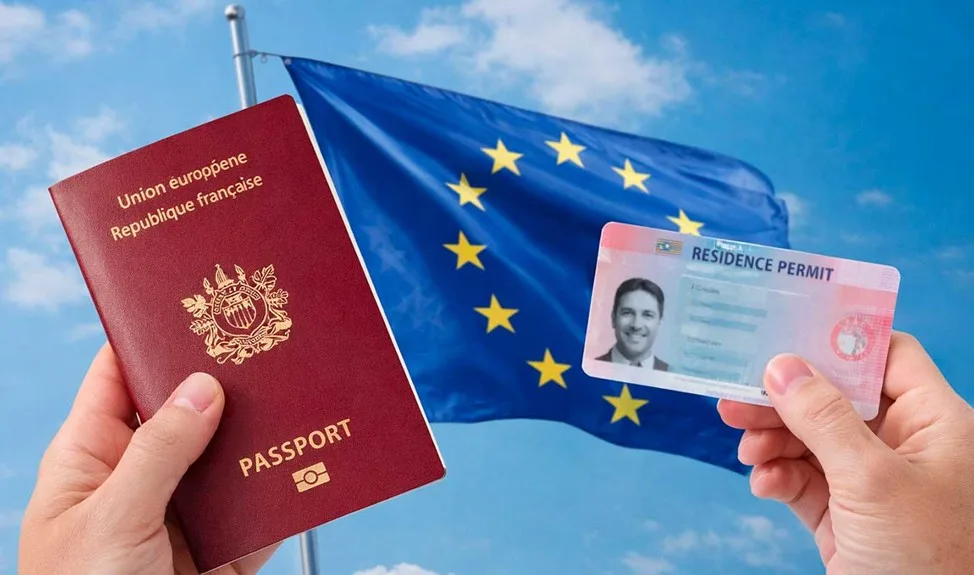
An EU residence permit is an official authorization issued by an individual EU country that allows a non-citizen to stay legally beyond a short-term visa period (usually 90 days within 180 days under Schengen rules).
It is important to understand that there is no single “EU-wide” residence permit. Each country issues its own permit under national law, although all operate within EU legal frameworks.
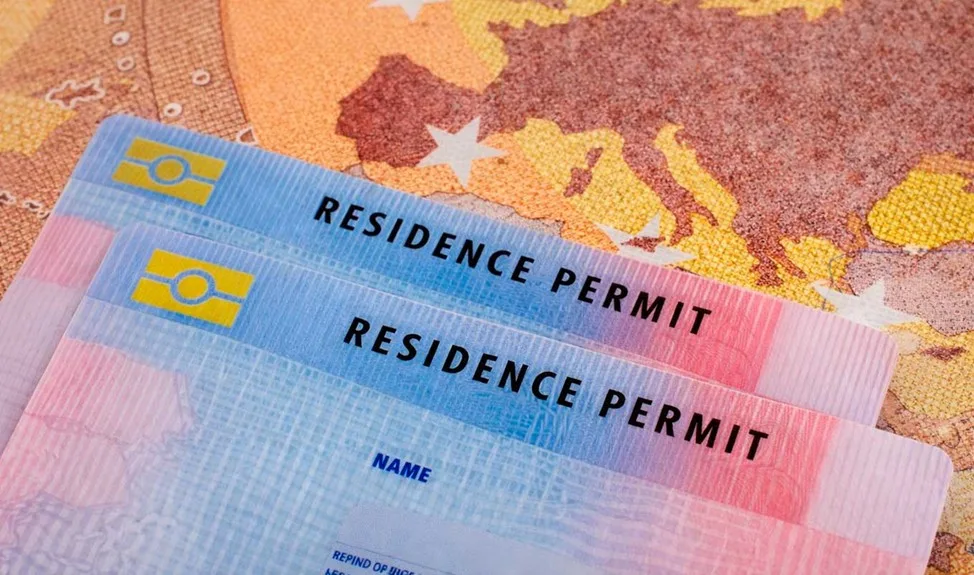
Once approved, the residence permit is typically issued as a biometric card containing the holder’s personal information and validity period.
Types of EU Residence Permits
Residence permits are granted based on purpose. The most common categories include:
- Work Residence Permit – Issued to individuals employed by a company in the host country.
- Self-Employment or Business Permit – For entrepreneurs establishing a company.
- Study Permit – For students enrolled in recognized institutions.
- Family Reunification Permit – For spouses and dependent family members.
- Investment-Based Residency – In certain countries, investors may qualify for residency under structured programs.
- Digital Nomad Permits – Increasingly popular in countries such as Spain and Portugal.
Each category has its own documentation and financial requirements.
How Long Is an EU Residence Permit Valid?
Initial residence permits are usually granted for one to three years, depending on the country and basis of application. They may be renewable as long as the applicant continues to meet eligibility requirements.
After several years of legal residence—typically five years—many EU countries allow applicants to apply for permanent residence status.
Key Requirements in 2026
Although rules vary slightly between countries, most EU residence permit applications require:
- Valid passport.
- Proof of accommodation.
- Health insurance coverage.
- Proof of sufficient financial resources.
- Clean criminal record.
- Purpose-specific documentation (employment contract, university acceptance letter, business plan, etc.).
In some countries, language knowledge or integration requirements may apply for long-term stays.
Benefits of an EU Residence Permit
Holding a residence permit offers several advantages. It allows you to reside legally within the issuing country and often travel freely within the Schengen Area for short stays.
You may gain access to local healthcare systems, open bank accounts, sign employment contracts, and enroll in educational institutions. Over time, residence can serve as a pathway toward permanent residence or even citizenship, depending on national legislation.
However, unlike EU citizenship, a residence permit does not automatically grant the right to work or live in other EU member states unless specific mobility rules apply.
Residence Permit vs. Visa: What’s the Difference?
A short-term visa allows temporary entry for tourism or business visits. A residence permit authorizes long-term stay and legal integration into the host country.
For individuals planning relocation, employment, or family settlement, a residence permit is typically required.
Common Mistakes to Avoid
Applicants often face delays due to incomplete documentation, insufficient proof of income, or misunderstanding eligibility requirements. Immigration rules can be complex and change frequently, making professional preparation essential in many cases.
Proper legal guidance significantly increases approval chances and reduces processing time.
Is an EU Residence Permit Right for You?
An EU residence permit is ideal for individuals who want to relocate legally to Europe but are not yet pursuing full citizenship. It provides stability, access to European infrastructure, and the opportunity to build a long-term presence within the EU.
Whether your goal is career growth, business expansion, education, or family relocation, understanding the legal framework is the first step toward a successful move.
In 2026, EU residence permits remain one of the most accessible and structured legal pathways to living in Europe. While procedures differ by country, the core principles remain consistent: lawful purpose, financial stability, and compliance with national regulations.
Careful planning and accurate documentation are essential for a smooth application process and long-term success in Europe.