

 EU
EU  Romania
  Bulgaria
  Slovenia
  Sweden
  Spain
Spain  Portugal
  Poland
  Belgium
  Netherlands
  Ireland
  Luxembourg
  Italy
Italy  France
  Estonia
  Cyprus
  Germany
  Greece
  Denmark
  Hungary
  Austria
  Austria by investment
  Croatia
  Malta
Malta  Italy
Italy  France
  Finland
  Germany
  Sweden
  Spain
Spain  Portugal
  Poland
  Netherlands
  Sweden
  France
  Finland
  Portugal
  Poland
  Italy
Italy  Malta
Malta  Germany
  Netherlands
  Denmark
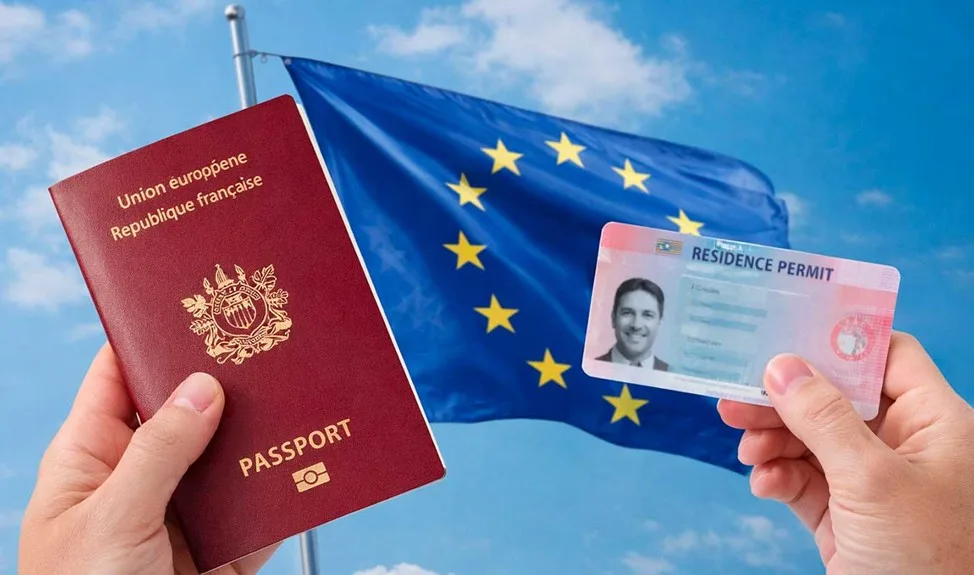
 For individuals outside the European Union, relocating to Europe involves navigating a structured and multi-layered legal system. While the EU promotes freedom of movement for its own citizens, non-EU nationals must follow specific immigration procedures governed by both EU directives and national laws.
In 2026, understanding how EU immigration law operates is essential for anyone planning to live, work, study, or invest in Europe.
EU Law vs. National Immigration Law
A common misconception is that there is a single unified “EU immigration system.” In reality, immigration is primarily regulated at the national level, meaning each EU country sets its own rules for visas, residence permits, and naturalization.
However, EU-wide directives establish common standards in areas such as:
- Long-term residence status.
- Family reunification.
- Blue Card for highly skilled workers.
- Student and researcher mobility.
- Asylum procedures.
This creates a hybrid framework: national authorities process applications, but many policies must align with EU regulations.
Short-Term Stay: Schengen Rules
For most non-EU nationals, entry into Europe begins with short-term travel under Schengen rules. Visitors may stay up to 90 days within a 180-day period for tourism, business meetings, or family visits (depending on visa requirements for their nationality).
This short-term stay does not allow employment or long-term residence. For that, a national long-stay visa or residence permit is required.
Long-Term Stay: Residence Permits
To live in an EU country beyond the short-term limit, non-EU nationals must apply for a residence permit based on purpose.
Common legal grounds include:
- Employment.
- Self-employment or entrepreneurship.
- Higher education.
- Family reunification.
- Investment programs.
- Humanitarian protection.
Each country defines eligibility criteria, documentation standards, and processing timelines. Applicants typically must demonstrate financial stability, accommodation, health insurance coverage, and a clean criminal record.
Work Authorization
Work rights depend on the type of residence permit issued. Some permits are employer-specific, meaning the applicant can only work for the sponsoring company. Others allow broader labor market access.
The EU Blue Card, available in many member states, provides a pathway for highly skilled professionals with university degrees and qualifying job offers. It also offers mobility advantages within certain EU countries after a defined period.
Family Reunification Rights
EU law provides structured rights for family reunification. Once a non-EU national obtains legal residence, they may apply to bring immediate family members, subject to income and housing requirements.
Family members typically receive derivative residence permits linked to the sponsor’s status.
Long-Term EU Residence Status
After legally residing in one EU country for at least five years, many non-EU nationals may apply for long-term resident status under EU Directive 2003/109/EC.
This status provides enhanced protection and limited mobility rights within other EU member states, though additional registration procedures may still apply.
Long-term residence serves as a bridge toward permanent settlement and, in some cases, naturalization.
Pathway to Citizenship
EU immigration law does not automatically grant citizenship. Naturalization remains governed by national laws.
Most countries require:
- Several years of legal residence.
- Language proficiency.
- Integration into society.
- Stable income.
- No serious criminal record.
Once citizenship is granted by an EU member state, the individual becomes both a national citizen and an EU citizen with full rights across the Union.
Enforcement and Compliance
In recent years, EU countries have strengthened compliance monitoring. Immigration authorities carefully verify documentation, financial resources, and legal purpose of stay.
Overstaying visas, working without authorization, or submitting incomplete documentation can negatively affect future applications.
Maintaining lawful status is critical throughout the immigration journey.
Key Takeaways for 2026
EU immigration law for non-EU nationals operates within a structured legal environment balancing national sovereignty and EU-level coordination.
Applicants should understand that:
- Each country has its own procedures.
- Eligibility depends on purpose of stay.
- Long-term residence can lead to more secure status.
- Citizenship requires separate national approval.
Careful preparation and knowledge of country-specific requirements significantly improve approval chances.
Immigrating to the European Union as a non-EU national requires navigating a layered legal system shaped by both national legislation and EU directives. While the framework may seem complex, it provides clear pathways for work, study, family reunification, and long-term settlement.
Understanding how EU immigration law works in 2026 empowers applicants to make informed decisions and build a secure future in Europe.